
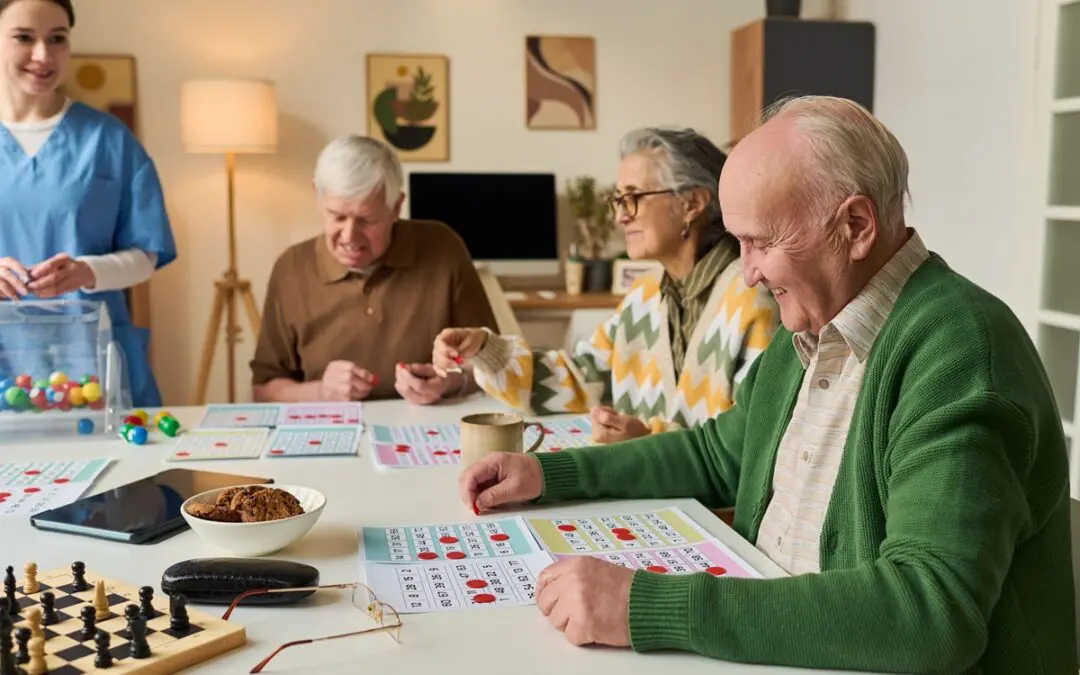
At Eden Vista Green Bay, we recognize how challenging it can be for a family to care for a loved one with dementia. Being involved in the caregiving responsibilities often leaves them drained, both mentally and physically, which eventually results in caregiver burnout. A solution may be memory care Green Bay.
Memory care is a specialized, long-term care option for seniors with Alzheimer’s or dementia. It provides 24/7 supervision and structured, therapeutic programming in a secure environment. Community staff focus on managing behavioral changes, assisting with daily living activities, and slowing cognitive decline through cognitive therapies and consistent routines.
With a specially trained staff, compassionate care programs, and tailored living environments, a memory care community supports a fulfilling lifestyle. This guide covers everything a family needs to know about memory care for seniors.
What Is Memory Care?
Also referred to as memory support, memory care is a specialized, long-term care setting designed for individuals with dementia. It’s a supportive care option for people with different types of dementia, such as vascular dementia, Lewy body dementia, or frontotemporal dementia. Individuals receive a safe, tailored living space that helps them maintain quality of life. As dementia is an irreversible disease, memory care can be an important source of support for them, helping slow down the progression.
Who Can Benefit From Memory Care?
Memory care is a specially designed care setting for individuals with Alzheimer’s or other dementias who require 24/7 supervision. It provides them with assistance with daily tasks while granting them access to a secure environment that helps prevent wandering. It also benefits family caregivers who are experiencing burnout from overwhelming caregiving responsibilities. Here are some key benefits of memory care.
Individuals With Cognitive Decline And Dementia
Memory care communities support those experiencing Alzheimer’s disease, Lewy body dementia, or vascular dementia. Individuals who wander or become disoriented can benefit from a safe, secure, and enclosed layout that helps them stay on the premises while allowing freedom of movement. They get structured, predictable daily schedules designed to minimize anxiety and confusion. Those experiencing behavioral changes get access to personalized de-escalation strategies that help reduce agitation, aggression, or hallucinations with support from specially trained staff.
Seniors Needing Personal And Medical Care
Beyond specialized memory care support, these communities are designed to operate similarly to assisted living, addressing physical needs. Memory care communities offer consistent, patient-centered assistance with bathing, dressing, eating, and grooming. The staff handles medication schedules to ensure medication regimens are followed accurately. Featuring secure layouts, grab bars, and non-slip flooring, the specially designed settings help reduce the risk of injury.
Family Caregivers
Even when a family provides diligent care to a loved one, they are bound to face caregiver burnout. This is because managing dementia at home is emotionally and physically taxing. For this reason, memory care helps family caregivers by taking on their loved one’s overall care needs. Being relieved of the caregiving burden allows families to focus on quality, loving time with their loved one. Knowing their loved one is in a safe, monitored environment with professional medical oversight fosters peace of mind for families.
How Much Does A Memory Care Community Cost?
Generally, memory care costs more than standard assisted living due to the specialized care. This care is provided by specially trained staff, who require higher staffing ratios and enhanced security. It generally costs 15-25% more than standard assisted living.
The national median cost of a memory care community is about $6,600 to $8,000 per month, or roughly $80,000 to $96,000 annually. The exact cost a family will pay depends on several factors, including location, available amenities, and care needs.
Tips For Making A Successful Memory Care Move
Making a memory care move requires strategic planning, thorough evaluation, and open communication. Everyone—the senior, their family, and the memory care provider—will play a key role during this crucial phase. Downsizing, logistics, and clear preparation are key to a successful move. Here’s a breakdown of how a family can plan a loved one’s successful transition to a memory care setting.
Before Moving Day
The family must work with the community staff to set up their loved one’s new space before they walk in. They can arrange the furniture, make the bed, and hang family photos. The goal is to create surroundings that mirror their previous home to reduce confusion. It’s recommended to pack familiar, comforting items such as their favorite blankets, a favorite chair, and an item with a familiar scent, such as a fragrant candle.
On Moving Day
Families should plan the move for the morning, when the senior is functioning at their highest level. Avoid moves during the afternoon, as it can cause sundowning or fatigue-related anxiety. Remember, individuals with dementia can pick up emotions easily; so it’s best to stay calm, positive, and reassuring. Families can even take their loved one out for brunch as the movers unpack the belongings and set up the new space.
After The Move
Family members should stay with their loved one during the first few days to help the transition feel more normal. They must help them form new routines while anchoring them in the present. It would be best if they participated in a few of the initial events or “field trips” together to help settle in. They should communicate with the care team to form care plans based on their past interests, current abilities, and preferences.
Access Expert Memory Care Services At Eden Vista Green Bay
At Eden Vista Green Bay, we understand how deeply dementia can affect an older adult. Every day brings a new concern as the disease progresses. Memory care communities are an ideal care option for people facing these challenges. With daily living assistance (ADLs), tailored care plans, and personalized living arrangements, everything is designed to support high-quality care.
Families exploring a compassionate memory care option for their loved one can contact us at Eden Vista Green Bay. With tailored care plans, cognitive wellness programs, and access to social programs, we support a well-rounded lifestyle that helps residents live fulfilling lives.
Recent Comments